Microplastics and You
Simple Changes for a Cleaner Future

A recent study conducted by researchers at the University of New Mexico has unveiled startling findings about microplastics in our bodies, particularly in vital organs like the liver, kidneys, and brain. The fact that concentrations in the brain were found to be 7-30 times higher than in other organs underscores the complexity of the human body and its interaction with environmental factors. This alarming trend, reflecting a 50% increase in plastic accumulation over the past eight years, is a wake-up call for all of us. However, rather than succumbing to despair, we can view this moment as an opportunity to drive change, both personally and collectively.
As we grapple with these revelations, there remains a flicker of hope in the potential for innovation and reform. Awareness about microplastics has surged, prompting conversations around sustainable practices, waste reduction, and policy changes. Individuals are increasingly advocating for environmentally friendly alternatives to plastics, pushing companies and governments to rethink their approaches. The correlation between microplastics and dementia serves as a poignant reminder of the importance of safeguarding our health and the planet.
Microplastics, those minuscule fragments of degraded polymer, have quietly infiltrated our environment, becoming an omnipresent reminder of our relationship with plastic. While the concept of tiny particles spreading through air, water, and soil might seem alarming, it also catalyzes change. The dual nature of microplastics, some being intentionally designed for use in products like toothpaste and cosmetics, while others are the remnants of larger plastic items, highlights both our creativity and the challenges we face. Yet, within this complexity lies an opportunity for innovation and awareness. As we begin to understand the impact of microplastics, we can foster a collective responsibility to seek alternatives that prioritize sustainability. This awareness sparks new conversations about what we consume and how we can reduce our reliance on single-use plastics. By pushing for biodegradable materials and more stringent regulations on plastic production, we can shift the tide toward a healthier planet.
The journey to combat microplastics is not just about identifying the problem; it’s about envisioning a future where our choices reflect a commitment to the environment. Communities are coming together to advocate for cleaner alternatives, from supporting local businesses that prioritize eco-friendly products to participating in clean-up initiatives that remove plastic waste from our landscapes. Educational programs are blossoming in schools, empowering the next generation with knowledge and tools to make informed decisions. This grassroots movement is infused with hope, as individuals recognize that small changes can lead to significant impacts.
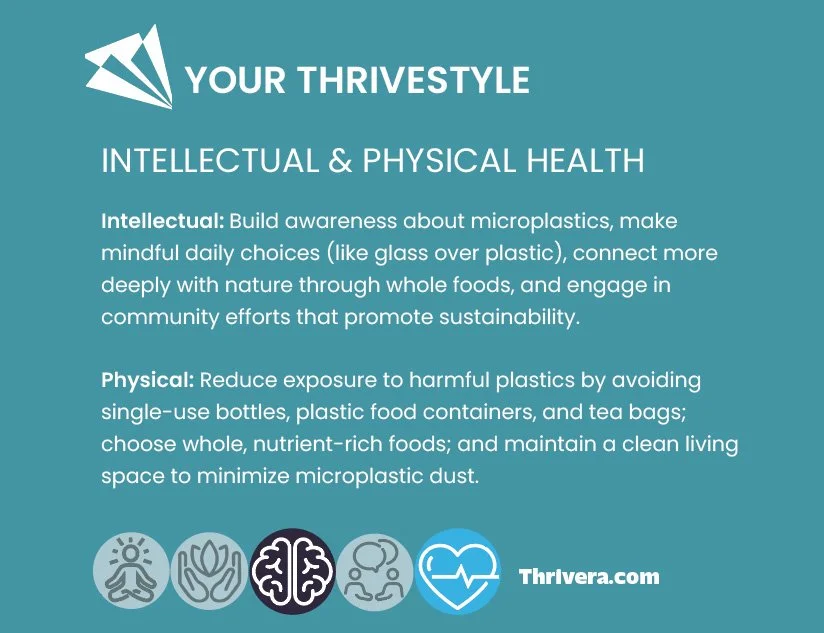
As we navigate the complexities of modern life, it can often feel overwhelming to confront the pervasive issue of microplastic consumption. Yet, there is hope in the small, meaningful changes we can make in our daily routines. For instance, one of the simplest yet impactful steps is to decrease our reliance on plastic water bottles.
By embracing the metal water bottles we’ve accumulated over the years, we not only reduce waste but also promote a healthier lifestyle, free from harmful chemicals leaching into our drinks. This shift is not just about personal choice; it’s a collective movement toward sustainability that can inspire others to follow suit.
Equally important is the choice of materials we use in our kitchens. Swapping out plastic cutting boards for wooden ones may seem like a minor adjustment, but it’s a significant stride toward reducing microplastic exposure in our food. Additionally, when it comes to reheating leftovers, opting for glass containers instead of plastic can protect our health and the environment. By making these conscious choices, like using glass drinkware instead of plastic, we are taking control of our consumption and setting a positive example for those around us.
In a world where our choices shape not only our health but also the environment, it is imperative to make a conscious effort to prioritize whole meat products over their processed counterparts. Whole meats, rich in nutrients and free from artificial additives, serve as a reminder of the simplicity and authenticity of nature. Savoring the flavors of grass-fed beef or free-range chicken brings a connection to the source of food, fostering a deeper appreciation for what is consumed contributing to better health and a more sustainable future. By choosing whole meats, one does not just feed themself, but supports ethical farming practices that respect both animals and the environment.
Similarly, switching to loose-leaf tea can transform daily rituals into moments of mindfulness. The realization that tea bags often contain microplastics is a startling wake-up call, prompting one to seek out alternatives. Brewing loose-leaf tea not only enhances the flavor but also allows one to appreciate the entire process — from selecting high-quality leaves to watching them unfurl in boiling water. Each cup becomes a celebration of nature’s bounty, free from the hidden toxins that can seep into our lives. It’s a small yet significant act of self-care, a reminder that every choice, no matter how small, contributes to a healthier lifestyle. Embracing these changes creates a ripple effect, inspiring others to join the journey toward greater awareness and well-being.
Finally, vacuuming regularly is part of a commitment to creating a healthier living space. The thought of dust particles potentially laden with microplastics floating through a home was enough to motivate one to take action. With each sweep of the vacuum, one reclaims their space from hidden pollutants, making it a sanctuary for both mind and body. It’s incredible how something as simple as regular cleaning can foster a sense of control and well-being in an otherwise chaotic world.
Actively reducing exposure to harmful substances fills individuals with hope for a brighter, cleaner future. Each task becomes a small victory in pursuit of health and sustainability, reinforcing the idea that everyone can contribute to positive change in our lives and our communities. Ultimately, these mindful choices empower and inspire hope lies in our ability to make conscious decisions, one meal, one cup of tea, and one vacuuming session at a time. Together, we can rewrite our relationship with plastic and create a world that thrives in harmony with nature. Together, these small actions can accumulate into a powerful wave of change, reminding us that every decision counts in the fight against microplastics. With awareness and determination, we can reclaim our health and our planet, one mindful choice at a time.